
.svg)
The Scotch College Blueprint for developing a student-led wellbeing conference
This guide synthesises insights shared by Ed McInnes in PESA’s Digital PD, ‘Inspiring Change: Co-Designing a Student-Led Wellbeing Conference in the Middle Years’, providing a scalable model for educators to transition from classroom-based wellbeing theory to a student-led culminating event tailored to their own unique school context.
Author: PESA and Ed McInnes, Year 7 Wellbeing Leader
Last updated: 09/03/2026

Related Resources
Website
Display
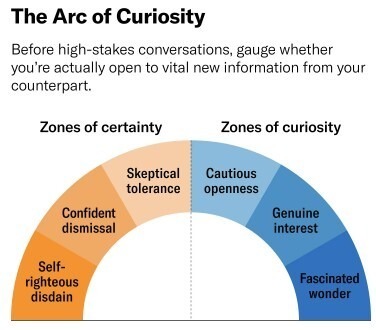
Curiosity Check and the Ask Approach
The Ask Approach is a framework from author Jeff Wetzler built on a simple premise: the insights we need most often already exist in the people around us, we just need to ask well. The five-step approach (curiosity, safety, quality questions, listening, reflection) offers practical tools for surfacing honest feedback and building trust, skills directly transferable to relational practice, staff culture, and leadership in schools and in the classroom. Author/ source: Ask Approach by Jeff Weltzer

Webinar/Video
Online PD 2026
A Whole School Approach to Restorative Practices
Presented by Michelle McKersey: Deputy Head of Secondary (Students), Moreton Bay College. Shifting from rules to relationships and from conflict to connection.
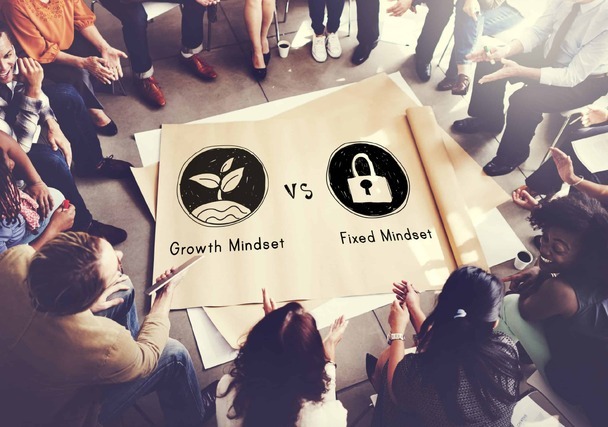
Article
PD Wrap Up
2026 PD Wrap Up: A Whole School Approach to Restorative Practices
Building on our Term 1 focus on creating a strong community from day one, we welcomed Michelle McKersey, Deputy Head of Secondary at Moreton Bay College to explore a whole‑school approach to restorative practice. In this session, Michelle contrasted restorative, relational approaches to behaviour with traditional punitive models and highlighted Collaborative Problem Solving (CPS) as a proactive, preventative strategy within a restorative framework. Author/Source: PESA and Michelle McKersey, Moreton Bay College.

Worksheet
Character Strengths Activity (Years 7-10)
This lesson plan introduces students to the VIA Character Strengths framework and supports them to recognise their own strengths, understand how these strengths show up in everyday life, and learn how to apply them in goal-setting, teamwork and personal development. It draws on positive psychology principles and is mapped to the Australian Curriculum. Author/ source: PESA
Webinar/Video
Online PD 2026
Co-designing a Student-Led Wellbeing Conference in the Middle Years
Presented by Ed McInnes: Wellbeing Leader-Year 7, Scotch College, Adelaide. Empowering middle years students to research, lead, and share wellbeing with their community.

Article
PD Wrap Up
2026 PD Wrap Up: Co-designing a Student-Led Wellbeing Conference in the Middle Years
Building on our Term 1 focus of cultivating a thriving community from day one, we welcomed Edward McInnes, Year 7 Wellbeing Leader at Scotch College, to hear about the pivotal role of student agency during the Middle Years. The session explored how fostering student agency empowers learners to move beyond passive participation, allowing them to actively shape their own experiences and contribute meaningfully to their school culture. Ed shared Scotch College’s innovative "Wellbeing Scientists" model, where students lead their own inquiry into personal and collective wellbeing. A standout highlight was their student-led Wellbeing Conference, a co-designed event where students present research and facilitate workshops for peers and families. By stepping into conference roles, students are empowered to take wellbeing from a classroom concept into a visible, lived practice that resonates across the entire school community. Author/Source: PESA and Ed McInnes, Scotch College.
Guidelines
The Scotch College Blueprint for developing a student-led wellbeing conference
This guide synthesises insights shared by Ed McInnes in PESA’s Digital PD, ‘Inspiring Change: Co-Designing a Student-Led Wellbeing Conference in the Middle Years’, providing a scalable model for educators to transition from classroom-based wellbeing theory to a student-led culminating event tailored to their own unique school context. Author: PESA and Ed McInnes, Year 7 Wellbeing Leader

Worksheet
Ripple Reflection Chart
This worksheet supports students to recognise the broader impact of their behaviour on the school community, visualised as ripples created by a drop in water. It is designed as a restorative practice tool, to be used by teachers in conversation with students to build awareness, reflection, and accountability. Author: Ed McInnes, Year 7 Wellbeing Leader

Webinar/Video
2025 Conference
Hackathon: High Impact Solutions to Common Challenges in Education
As part of PESA’s 2025 National Wellbeing Education Conference, the ‘hackathon’ was a fast-paced session where practitioners presented high-impact, easy-to-implement solutions to common challenges in education. Learn more about the six practical, ready-to-use wellbeing hacks covering classroom practice, behaviour management, movement, pastoral care and student voice. Author/Source: Melissa Chamberlain, Nicola Unite, Ione Norris, Jessica Orr and Natalie Lander, Paige Zavaglia, Sarah Lang and Monique Eggs on behalf of Helen Worthington.
Website
Display
Curiosity Check and the Ask Approach
The Ask Approach is a framework from author Jeff Wetzler built on a simple premise: the insights we need most often already exist in the people around us, we just need to ask well. The five-step approach (curiosity, safety, quality questions, listening, reflection) offers practical tools for surfacing honest feedback and building trust, skills directly transferable to relational practice, staff culture, and leadership in schools and in the classroom. Author/ source: Ask Approach by Jeff Weltzer
Access Resource
Webinar/Video
Online PD 2026
A Whole School Approach to Restorative Practices
Presented by Michelle McKersey: Deputy Head of Secondary (Students), Moreton Bay College. Shifting from rules to relationships and from conflict to connection.
Access Resource
Article
PD Wrap Up
2026 PD Wrap Up: A Whole School Approach to Restorative Practices
Building on our Term 1 focus on creating a strong community from day one, we welcomed Michelle McKersey, Deputy Head of Secondary at Moreton Bay College to explore a whole‑school approach to restorative practice. In this session, Michelle contrasted restorative, relational approaches to behaviour with traditional punitive models and highlighted Collaborative Problem Solving (CPS) as a proactive, preventative strategy within a restorative framework. Author/Source: PESA and Michelle McKersey, Moreton Bay College.
Access Resource
Worksheet
Character Strengths Activity (Years 7-10)
This lesson plan introduces students to the VIA Character Strengths framework and supports them to recognise their own strengths, understand how these strengths show up in everyday life, and learn how to apply them in goal-setting, teamwork and personal development. It draws on positive psychology principles and is mapped to the Australian Curriculum. Author/ source: PESA
Access Resource
Webinar/Video
Online PD 2026
Co-designing a Student-Led Wellbeing Conference in the Middle Years
Presented by Ed McInnes: Wellbeing Leader-Year 7, Scotch College, Adelaide. Empowering middle years students to research, lead, and share wellbeing with their community.
Access Resource
Article
PD Wrap Up
2026 PD Wrap Up: Co-designing a Student-Led Wellbeing Conference in the Middle Years
Building on our Term 1 focus of cultivating a thriving community from day one, we welcomed Edward McInnes, Year 7 Wellbeing Leader at Scotch College, to hear about the pivotal role of student agency during the Middle Years. The session explored how fostering student agency empowers learners to move beyond passive participation, allowing them to actively shape their own experiences and contribute meaningfully to their school culture. Ed shared Scotch College’s innovative "Wellbeing Scientists" model, where students lead their own inquiry into personal and collective wellbeing. A standout highlight was their student-led Wellbeing Conference, a co-designed event where students present research and facilitate workshops for peers and families. By stepping into conference roles, students are empowered to take wellbeing from a classroom concept into a visible, lived practice that resonates across the entire school community. Author/Source: PESA and Ed McInnes, Scotch College.
Access Resource
Guidelines
The Scotch College Blueprint for developing a student-led wellbeing conference
This guide synthesises insights shared by Ed McInnes in PESA’s Digital PD, ‘Inspiring Change: Co-Designing a Student-Led Wellbeing Conference in the Middle Years’, providing a scalable model for educators to transition from classroom-based wellbeing theory to a student-led culminating event tailored to their own unique school context. Author: PESA and Ed McInnes, Year 7 Wellbeing Leader
Access Resource
Worksheet
Ripple Reflection Chart
This worksheet supports students to recognise the broader impact of their behaviour on the school community, visualised as ripples created by a drop in water. It is designed as a restorative practice tool, to be used by teachers in conversation with students to build awareness, reflection, and accountability. Author: Ed McInnes, Year 7 Wellbeing Leader
Access Resource
Webinar/Video
2025 Conference
Hackathon: High Impact Solutions to Common Challenges in Education
As part of PESA’s 2025 National Wellbeing Education Conference, the ‘hackathon’ was a fast-paced session where practitioners presented high-impact, easy-to-implement solutions to common challenges in education. Learn more about the six practical, ready-to-use wellbeing hacks covering classroom practice, behaviour management, movement, pastoral care and student voice. Author/Source: Melissa Chamberlain, Nicola Unite, Ione Norris, Jessica Orr and Natalie Lander, Paige Zavaglia, Sarah Lang and Monique Eggs on behalf of Helen Worthington.
Access Resource