
.svg)
The Importance of Student Voice: Empowering Education Through Listening
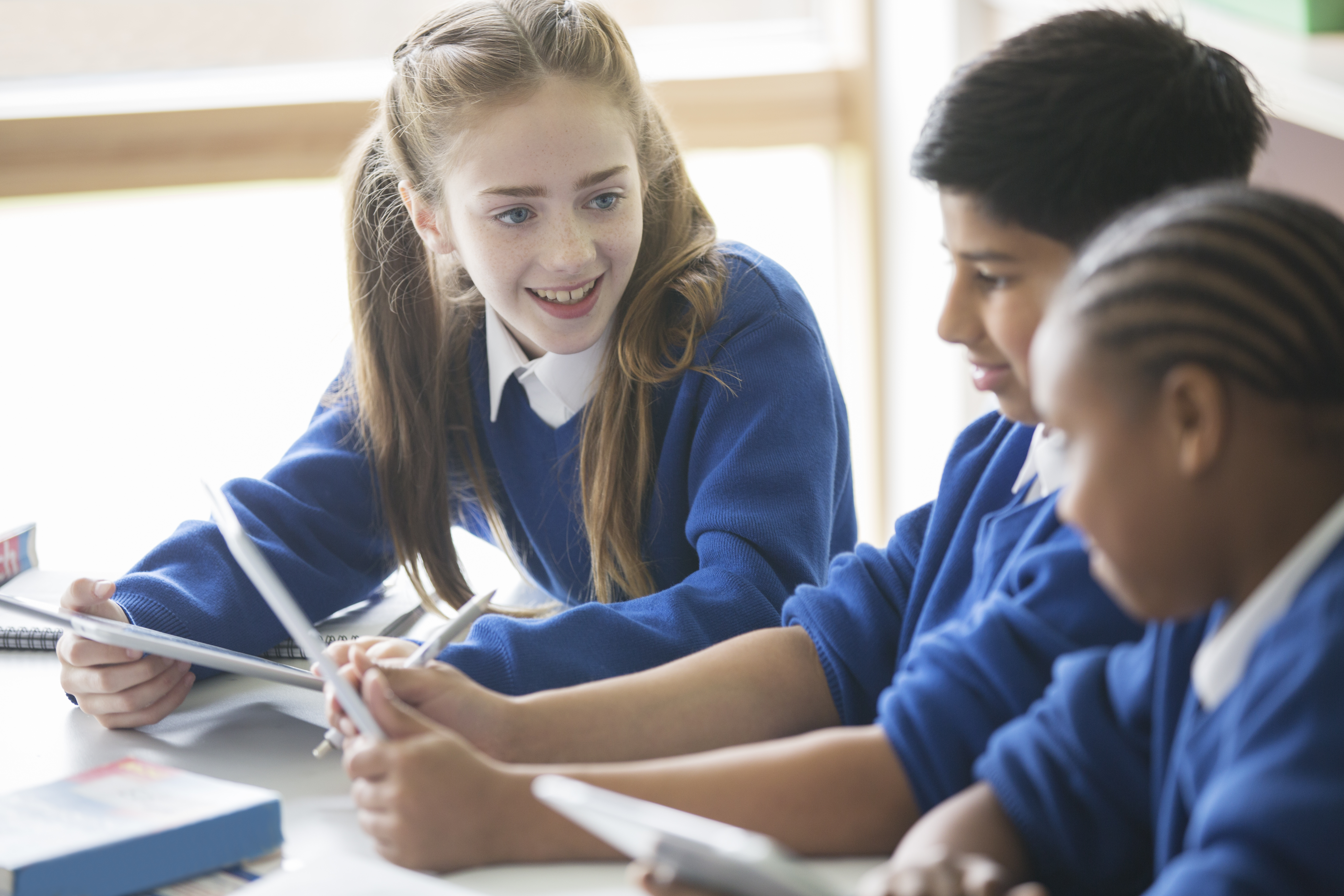
This webinar, "Every student has a voice, but do we hear them?", is a collaboration between the MacKillop Institute and the Quaglia Institute for School Voice and Aspirations. Read on for a sumamry of the key themes covered, including what student voice actually means, why it matters in education, the distinction between voice and agency, and how genuine student voice is less a program or activity and more a "way of being" embedded in school culture. Or watch the webinar recording.
Author/Source: The Mackillop Institute, Dr Russ Quaglia, Sue Bryen, Justin Roberts and Chris Higgins. Webinar summary by PESA.
Last updated: 09/09/2024
Related Resources
Article
PD Wrap Up
2026 PD Wrap Up: Connection IS The Content: A Pathway to Wellbeing
Mark Collard, experiential trainer, author, and founder of Playmeo, joined us in August 2026 for an interactive session unpacking the latest science and research on why intentionally building play and fun should sit at the heart of any group-based program. Below is a summary of the key takeaways and learnings from the session. Presenter: Mark Collard, Experiential Traininer, Author and CEO of Playmeo
Website
Display
Curiosity Check and the Ask Approach
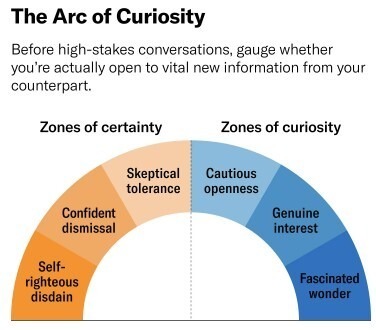
The Ask Approach is a framework from author Jeff Wetzler built on a simple premise: the insights we need most often already exist in the people around us, we just need to ask well. The five-step approach (curiosity, safety, quality questions, listening, reflection) offers practical tools for surfacing honest feedback and building trust, skills directly transferable to relational practice, staff culture, and leadership in schools and in the classroom. Author/ source: Ask Approach by Jeff Weltzer

Research Summary
Communicating with Today's Parents: McCrindle Research and RoundTable
What do parents expect from schools when it comes to communication? PESA attended a round table to discuss the results of the research paper: "Communicating with Today's Parents" where 1000 parents were surveyed in February 2026. Author: Research by McCrindle. Article by PESA

Webinar/Video
2026 Online PD
Connection IS The Content: A Pathway to Wellbeing
Mark Collard is an experiential trainer, author and founder of playmeo, the ultimate toolkit of icebreakers, energisers and team-building activities, used by thousands of teachers worldwide. This interatctive session explores tghe latest science and reserach which supports and encourages the intentional development of wellbeing as the central focus of group-based programs. This session presents a series of fun group activities which can easily be integrated into your exitsing curriculum to help your students feel valued, supported included. Presenter: Mark Collard, Experiential Traininer, Author and CEO of Playmeo

Article
PD Wrap Up
2026 PD Wrap Up: The Space Between Knowing and Doing
Sue Chandler, Founder of Transformative Schools presents the Relational Practice Bridge, a framework for shifting school culture from control to curiosity. Through three "stories" (the discipline biographies we inherit, the theories of change we adopt, and the patterns our systems reinforce), she explores why relational practice is hard to sustain and how educators can build genuine accountability through understanding rather than consequences. Author/Source: PESA and Sue Chandler, Transformative Schools

Webinar/Video
2026 Online PD
The Space Between Knowing and Doing
Presented by Sue Chandler, Founder of Transformative Schools. Why Relational Practice Requires a Shift from Control to Curiosity.
Webinar/Video
Online PD 2026
A Whole School Approach to Restorative Practices
Presented by Michelle McKersey: Deputy Head of Secondary (Students), Moreton Bay College. Shifting from rules to relationships and from conflict to connection.
Article
PD Wrap Up
2026 PD Wrap Up: A Whole School Approach to Restorative Practices
Building on our Term 1 focus on creating a strong community from day one, we welcomed Michelle McKersey, Deputy Head of Secondary at Moreton Bay College to explore a whole‑school approach to restorative practice. In this session, Michelle contrasted restorative, relational approaches to behaviour with traditional punitive models and highlighted Collaborative Problem Solving (CPS) as a proactive, preventative strategy within a restorative framework. Author/Source: PESA and Michelle McKersey, Moreton Bay College.

Worksheet
Character Strengths Activity (Years 7-10)
This lesson plan introduces students to the VIA Character Strengths framework and supports them to recognise their own strengths, understand how these strengths show up in everyday life, and learn how to apply them in goal-setting, teamwork and personal development. It draws on positive psychology principles and is mapped to the Australian Curriculum. Author/ source: PESA
Article
PD Wrap Up
2026 PD Wrap Up: Connection IS The Content: A Pathway to Wellbeing
Mark Collard, experiential trainer, author, and founder of Playmeo, joined us in August 2026 for an interactive session unpacking the latest science and research on why intentionally building play and fun should sit at the heart of any group-based program. Below is a summary of the key takeaways and learnings from the session. Presenter: Mark Collard, Experiential Traininer, Author and CEO of Playmeo
Access Resource
Website
Display
Curiosity Check and the Ask Approach
The Ask Approach is a framework from author Jeff Wetzler built on a simple premise: the insights we need most often already exist in the people around us, we just need to ask well. The five-step approach (curiosity, safety, quality questions, listening, reflection) offers practical tools for surfacing honest feedback and building trust, skills directly transferable to relational practice, staff culture, and leadership in schools and in the classroom. Author/ source: Ask Approach by Jeff Weltzer
Access Resource
Research Summary
Communicating with Today's Parents: McCrindle Research and RoundTable
What do parents expect from schools when it comes to communication? PESA attended a round table to discuss the results of the research paper: "Communicating with Today's Parents" where 1000 parents were surveyed in February 2026. Author: Research by McCrindle. Article by PESA
Access Resource
Webinar/Video
2026 Online PD
Connection IS The Content: A Pathway to Wellbeing
Mark Collard is an experiential trainer, author and founder of playmeo, the ultimate toolkit of icebreakers, energisers and team-building activities, used by thousands of teachers worldwide. This interatctive session explores tghe latest science and reserach which supports and encourages the intentional development of wellbeing as the central focus of group-based programs. This session presents a series of fun group activities which can easily be integrated into your exitsing curriculum to help your students feel valued, supported included. Presenter: Mark Collard, Experiential Traininer, Author and CEO of Playmeo
Access Resource
Article
PD Wrap Up
2026 PD Wrap Up: The Space Between Knowing and Doing
Sue Chandler, Founder of Transformative Schools presents the Relational Practice Bridge, a framework for shifting school culture from control to curiosity. Through three "stories" (the discipline biographies we inherit, the theories of change we adopt, and the patterns our systems reinforce), she explores why relational practice is hard to sustain and how educators can build genuine accountability through understanding rather than consequences. Author/Source: PESA and Sue Chandler, Transformative Schools
Access Resource
Webinar/Video
2026 Online PD
The Space Between Knowing and Doing
Presented by Sue Chandler, Founder of Transformative Schools. Why Relational Practice Requires a Shift from Control to Curiosity.
Access Resource
Webinar/Video
Online PD 2026
A Whole School Approach to Restorative Practices
Presented by Michelle McKersey: Deputy Head of Secondary (Students), Moreton Bay College. Shifting from rules to relationships and from conflict to connection.
Access Resource
Article
PD Wrap Up
2026 PD Wrap Up: A Whole School Approach to Restorative Practices
Building on our Term 1 focus on creating a strong community from day one, we welcomed Michelle McKersey, Deputy Head of Secondary at Moreton Bay College to explore a whole‑school approach to restorative practice. In this session, Michelle contrasted restorative, relational approaches to behaviour with traditional punitive models and highlighted Collaborative Problem Solving (CPS) as a proactive, preventative strategy within a restorative framework. Author/Source: PESA and Michelle McKersey, Moreton Bay College.
Access Resource
Worksheet
Character Strengths Activity (Years 7-10)
This lesson plan introduces students to the VIA Character Strengths framework and supports them to recognise their own strengths, understand how these strengths show up in everyday life, and learn how to apply them in goal-setting, teamwork and personal development. It draws on positive psychology principles and is mapped to the Australian Curriculum. Author/ source: PESA
Access Resource