.svg)
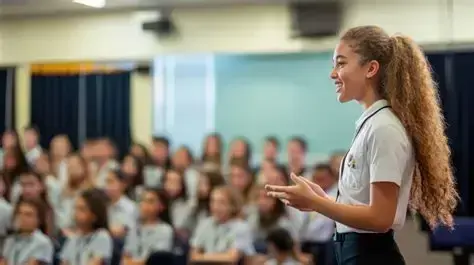
Australia is facing a youth mental health crisis, with growing numbers of young people experiencing distress, disconnection and disadvantage and schools, as daily touchpoints in young people's lives, have never had a more important role to play.
This keynote from Associate Professor Kate Filia explores the social factors shaping young people's mental health, including secure housing, financial stability, supportive relationships and meaningful engagement in education and community life. Drawing on findings from Mission Australia's Youth Survey alongside Orygen's research, the session offers a valuable, evidence-based snapshot of what young Australians are facing and what matters most to them, revealing consistent patterns of financial stress, social isolation and school disengagement.
While acknowledging there's no simple fix, Dr Filia points to emerging strategies schools can use to foster connection, inclusion and belonging, impacts that extend well beyond mental health to help young people build genuinely successful futures.
Copyright Notice: Use of Conference Presentations and Materials
Please note that the presentations and materials shared during this conference contain the intellectual property of the respective authors and presenters. These works represent years of professional development, research, and expertise. Access to these resources is provided exclusively to PESA members for personal and professional learning. Members are welcome to reference or use the materials for educational purposes with proper attribution to the original presenter(s). However, these materials:
-
Must not be reproduced, distributed, or shared publicly (including on social media or external websites) without prior written consent from the presenter(s).
-
May not be used for commercial purposes, including resale, paid workshops, or monetised content.
-
Should be cited appropriately when referenced in publications, presentations, or teaching materials.
By accessing these resources, you agree to respect the intellectual property rights of the presenters and uphold the ethical use of shared knowledge within our community. For permissions or questions regarding use, please contact us.

.png)