
.svg)
Case study: Reynella East College Wellbeing Framework
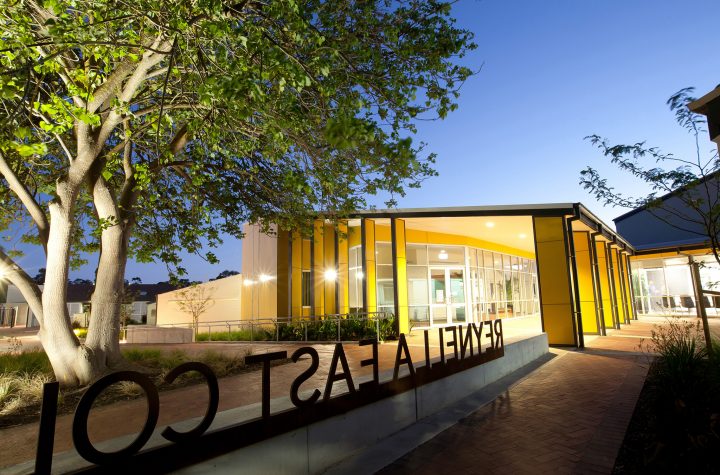
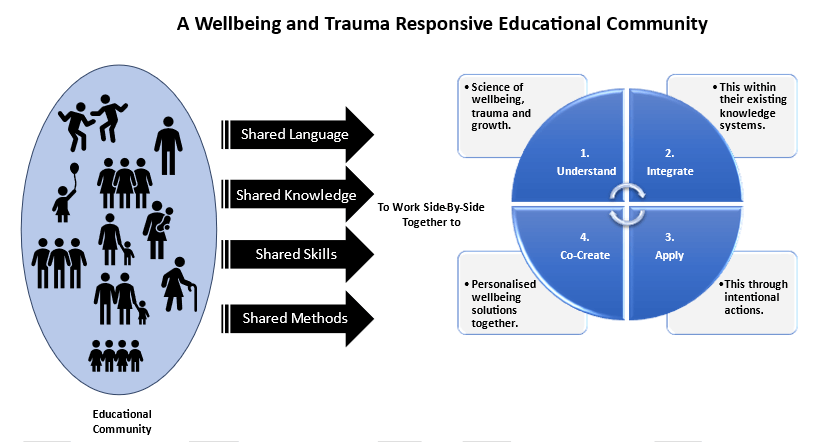
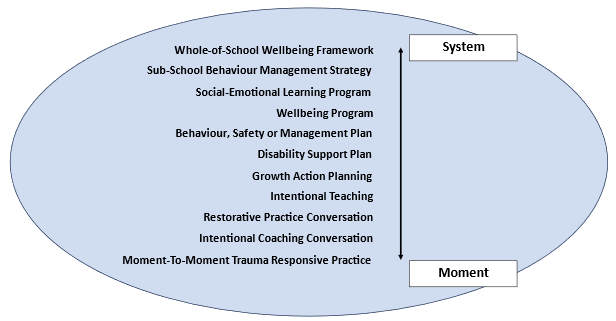
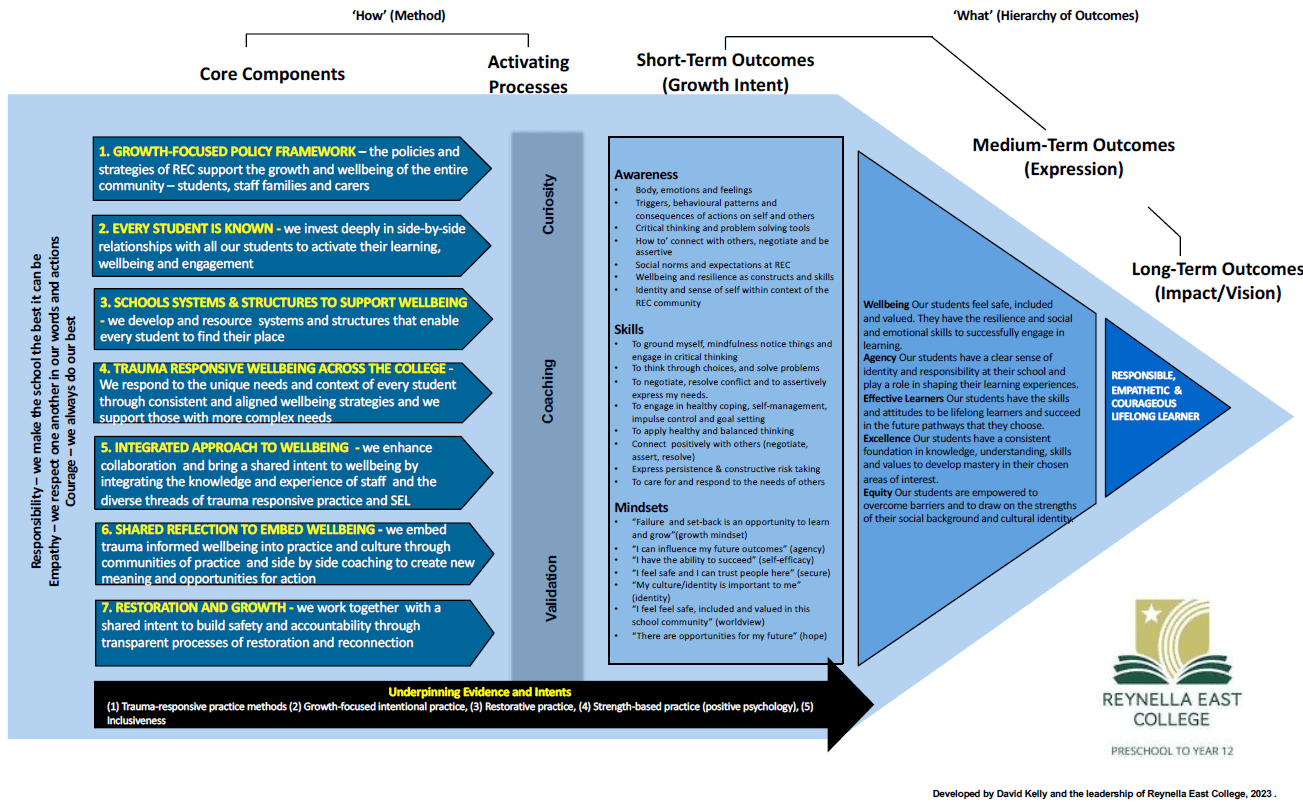
PESA Institutional Member, Reynella East College (REC) in South Australia is a K-12 school with over 1900 students, 200 staff and 3 campuses. They have adopted a local approach for building a wellbeing and trauma responsive school community and delivering sustainable wellbeing and whole of life outcomes for all of their community.
Author/ source: PESA
Last updated: 04/09/2024
Related Resources

Research Summary
Student Flourishing in Australian Christian Schools
A landmark report exploring what helps adolescents flourish in Christian secondary schools across Australia. Drawing on one of the largest studies of its kind - a longitudinal survey of 22,092 students in Years 7–12 across 57 schools - the research identifies the conditions, practices and priorities that support students to flourish holistically: intellectually, socially, physically and spiritually. Author: Iselin, D.J. (2026). Student Flourishing in Australian Christian Schools Report. Christian Schools Australia. Canberra, ACT. Summary by PESA

Webinar/Video
2026 Online PD
Harnessing Collective Action to Sustain Wellbeing Initiatives in Learning Communities
Presented by Dr Tan-Chyuan Chin, PhD: Senior Lecturer in Wellbeing Science, The University of Melbourne. Optimising collaborative community practices in an interconnected learning system.

Article
PD Wrap Up
2026 PD Wrap Up: Harnessing Collective Action to Sustain Wellbeing Initiatives in Learning Communities
Ending our Term 1 focus on ‘building wellbeing communities from day one’, we welcomed Dr Tan Chyuan-Chin (TC), Senior Lecturer in Wellbeing Science to explore a systems-informed approach to strengthening and sustaining wellbeing initiatives. In this session, Dr TC contrasted isolated, program-led approaches to wellbeing with whole-of-community, systems-aligned models to design learning communities that support wellbeing from the ground up. Dr TC introduced the Theory of Change model and the SyInC-ToC framework as practical tools for planning, implementing and evaluating sustainable change. Author/Source: PESA and Dr Tan Chyuan-Chin, Senior Lecturer in Wellbeing Science.
%20(3).png)
Worksheet
The Systems Iceberg Reflection Tool
A four-question reflection tool using Senge's systems iceberg model to help leaders and educators uncover the deeper structures and beliefs driving recurring wellbeing issues. Author/Source: PESA

Podcast
The Future We Shape: Smiles, Safety, and School Culture
What does it really take to create schools where people feel safe, valued, and genuinely connected? Author/ source: PESA; Hosted and produced by Kerrin Smith; Dr Sue Roffey; Nicole O'Brien

Podcast
School culture & the daily interactions that matter
School of Wellbeing Podcast. Episode 157. Author/Source: Meg Durham and Adam Voight

Podcast
2025 Conference
The Future We Shape: Creating Connections: Where Trauma-Aware and Wellbeing Education Meet
From PESA's 2025 National Education Conference: In this special live-recorded keynote episode, we bring together two of the leading voices in education and wellbeing: Professor Lea Waters (University of Melbourne, Centre for Wellbeing Science) and Dr Tom Brunzell (Berry Street Education Model). Author/ source: Professor Lea Waters AM, PhD; Dr Tom Brunzell; Discussion moderated by Emma Grave; episode produced by Kerrin Smith

Research Summary
Healthy Schools Start with Healthy Staff
The paper emphasises that staff wellbeing is central to student wellbeing and learning. Drawing on recent research, it highlights that interventions are most effective when they combine individual supports (e.g., mindfulness, gratitude, physical activity) with community and system-level strategies such as supportive leadership, positive school climate, and being mindful of psychological safety in the workplace. Author/ source: Matthew White, ACU

Article
In Development
Self determination theory: how to use it to boost wellbeing
Self‑Determination Theory (SDT) is a well-researched psychological framework that highlights three fundamental needs: autonomy, competence, and relatedness, as essential to human wellbeing. The article introduces a motivation spectrum, ranging from extrinsic motivation (acting for rewards or pressures) to intrinsic motivation (acting for internal satisfaction). Understanding where your actions fall on this spectrum can help you align behaviours with what truly matters to you, moving you toward greater fulfillment. Author/Source: Mark Fabian
Research Summary
Student Flourishing in Australian Christian Schools
A landmark report exploring what helps adolescents flourish in Christian secondary schools across Australia. Drawing on one of the largest studies of its kind - a longitudinal survey of 22,092 students in Years 7–12 across 57 schools - the research identifies the conditions, practices and priorities that support students to flourish holistically: intellectually, socially, physically and spiritually. Author: Iselin, D.J. (2026). Student Flourishing in Australian Christian Schools Report. Christian Schools Australia. Canberra, ACT. Summary by PESA
Access Resource
Webinar/Video
2026 Online PD
Harnessing Collective Action to Sustain Wellbeing Initiatives in Learning Communities
Presented by Dr Tan-Chyuan Chin, PhD: Senior Lecturer in Wellbeing Science, The University of Melbourne. Optimising collaborative community practices in an interconnected learning system.
Access Resource
Article
PD Wrap Up
2026 PD Wrap Up: Harnessing Collective Action to Sustain Wellbeing Initiatives in Learning Communities
Ending our Term 1 focus on ‘building wellbeing communities from day one’, we welcomed Dr Tan Chyuan-Chin (TC), Senior Lecturer in Wellbeing Science to explore a systems-informed approach to strengthening and sustaining wellbeing initiatives. In this session, Dr TC contrasted isolated, program-led approaches to wellbeing with whole-of-community, systems-aligned models to design learning communities that support wellbeing from the ground up. Dr TC introduced the Theory of Change model and the SyInC-ToC framework as practical tools for planning, implementing and evaluating sustainable change. Author/Source: PESA and Dr Tan Chyuan-Chin, Senior Lecturer in Wellbeing Science.
Access Resource
Worksheet
The Systems Iceberg Reflection Tool
A four-question reflection tool using Senge's systems iceberg model to help leaders and educators uncover the deeper structures and beliefs driving recurring wellbeing issues. Author/Source: PESA
Access Resource
Podcast
The Future We Shape: Smiles, Safety, and School Culture
What does it really take to create schools where people feel safe, valued, and genuinely connected? Author/ source: PESA; Hosted and produced by Kerrin Smith; Dr Sue Roffey; Nicole O'Brien
Access Resource
Podcast
School culture & the daily interactions that matter
School of Wellbeing Podcast. Episode 157. Author/Source: Meg Durham and Adam Voight
Access Resource
Podcast
2025 Conference
The Future We Shape: Creating Connections: Where Trauma-Aware and Wellbeing Education Meet
From PESA's 2025 National Education Conference: In this special live-recorded keynote episode, we bring together two of the leading voices in education and wellbeing: Professor Lea Waters (University of Melbourne, Centre for Wellbeing Science) and Dr Tom Brunzell (Berry Street Education Model). Author/ source: Professor Lea Waters AM, PhD; Dr Tom Brunzell; Discussion moderated by Emma Grave; episode produced by Kerrin Smith
Access Resource
Research Summary
Healthy Schools Start with Healthy Staff
The paper emphasises that staff wellbeing is central to student wellbeing and learning. Drawing on recent research, it highlights that interventions are most effective when they combine individual supports (e.g., mindfulness, gratitude, physical activity) with community and system-level strategies such as supportive leadership, positive school climate, and being mindful of psychological safety in the workplace. Author/ source: Matthew White, ACU
Access Resource
Article
In Development
Self determination theory: how to use it to boost wellbeing
Self‑Determination Theory (SDT) is a well-researched psychological framework that highlights three fundamental needs: autonomy, competence, and relatedness, as essential to human wellbeing. The article introduces a motivation spectrum, ranging from extrinsic motivation (acting for rewards or pressures) to intrinsic motivation (acting for internal satisfaction). Understanding where your actions fall on this spectrum can help you align behaviours with what truly matters to you, moving you toward greater fulfillment. Author/Source: Mark Fabian
Access Resource