
.svg)
Wellbeing Literacy: A Capability Model for Wellbeing Science and Practice
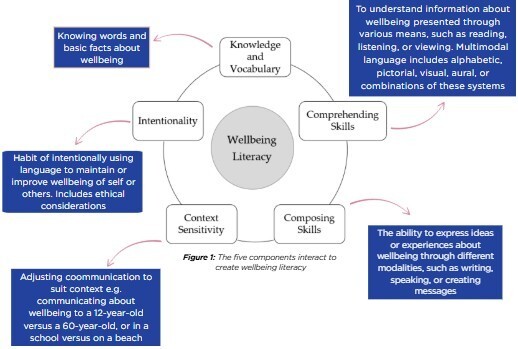
Wellbeing literacy is defined as the capability to understand and use language about and for wellbeing, intentionally applying it to maintain or improve the wellbeing of oneself, others, or the wider world. Drawing on the idea that language helps shape our experiences and realities, this capability gives individuals the freedom and choice to define and pursue what wellbeing means to them through communication and knowledge.
Author/ source: PESA
Last updated: 01/05/2025
Related Resources

Worksheet
Character Strengths Activity (Years 7-10)
This lesson plan introduces students to the VIA Character Strengths framework and supports them to recognise their own strengths, understand how these strengths show up in everyday life, and learn how to apply them in goal-setting, teamwork and personal development. It draws on positive psychology principles and is mapped to the Australian Curriculum. Author/ source: PESA
Webinar/Video
Online PD 2026
Co-designing a Student-Led Wellbeing Conference in the Middle Years
Presented by Ed McInnes: Wellbeing Leader-Year 7, Scotch College, Adelaide. Empowering middle years students to research, lead, and share wellbeing with their community.
Article
PD Wrap Up
2026 PD Wrap Up: Co-designing a Student-Led Wellbeing Conference in the Middle Years
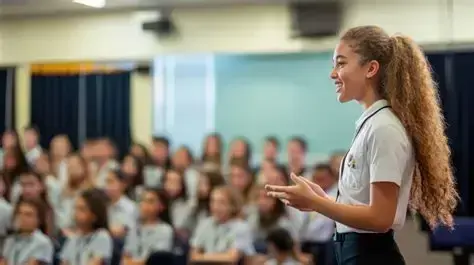
Building on our Term 1 focus of cultivating a thriving community from day one, we welcomed Edward McInnes, Year 7 Wellbeing Leader at Scotch College, to hear about the pivotal role of student agency during the Middle Years. The session explored how fostering student agency empowers learners to move beyond passive participation, allowing them to actively shape their own experiences and contribute meaningfully to their school culture. Ed shared Scotch College’s innovative "Wellbeing Scientists" model, where students lead their own inquiry into personal and collective wellbeing. A standout highlight was their student-led Wellbeing Conference, a co-designed event where students present research and facilitate workshops for peers and families. By stepping into conference roles, students are empowered to take wellbeing from a classroom concept into a visible, lived practice that resonates across the entire school community. Author/Source: PESA and Ed McInnes, Scotch College.
Guidelines
The Scotch College Blueprint for developing a student-led wellbeing conference
This guide synthesises insights shared by Ed McInnes in PESA’s Digital PD, ‘Inspiring Change: Co-Designing a Student-Led Wellbeing Conference in the Middle Years’, providing a scalable model for educators to transition from classroom-based wellbeing theory to a student-led culminating event tailored to their own unique school context. Author: PESA and Ed McInnes, Year 7 Wellbeing Leader

Podcast
2025 Conference
The Future We Shape: Creating Connections: Where Trauma-Aware and Wellbeing Education Meet
From PESA's 2025 National Education Conference: In this special live-recorded keynote episode, we bring together two of the leading voices in education and wellbeing: Professor Lea Waters (University of Melbourne, Centre for Wellbeing Science) and Dr Tom Brunzell (Berry Street Education Model). Author/ source: Professor Lea Waters AM, PhD; Dr Tom Brunzell; Discussion moderated by Emma Grave; episode produced by Kerrin Smith
%20(15).png)
Worksheet
Survey
Youth Resilience Doughnut: Score your resilience worksheet
This powerful tool highlights to the student the factors that contribute to their internal resilience. This worksheet is for secondary and tertiary students to self assess and score their resilience. Author/Source: Generously provided by Dr Lyn Worsley of The Resilience Centre
Research Summary
Wellbeing Literacy: A Capability Model for Wellbeing Science and Practice
Wellbeing literacy is defined as the capability to understand and use language about and for wellbeing, intentionally applying it to maintain or improve the wellbeing of oneself, others, or the wider world. Drawing on the idea that language helps shape our experiences and realities, this capability gives individuals the freedom and choice to define and pursue what wellbeing means to them through communication and knowledge. Author/ source: PESA
Podcast
Fostering Motivation and Wellbeing in Education
Talking Teaching podcast. Author/Source: Dr Rachel Colla and Lara Mossman, University of Melbourne

Research Summary
New PISA data shows the importance of positive classrooms for mathematics achievement
The Programme for International Student Assessment (PISA) is an international comparative study of student performance directed by the OECD. PISA measures the cumulative outcomes of education by assessing how well 15-year-olds are prepared to use their knowledge and skills in particular areas to meet real-world opportunities and challenges. ACER has recently released Volume II of their reports on the 2022 data, which examines Australia’s results in both mathematics and other experiences at school. Author/ source: Tania Linnertson
Worksheet
Character Strengths Activity (Years 7-10)
This lesson plan introduces students to the VIA Character Strengths framework and supports them to recognise their own strengths, understand how these strengths show up in everyday life, and learn how to apply them in goal-setting, teamwork and personal development. It draws on positive psychology principles and is mapped to the Australian Curriculum. Author/ source: PESA
Access Resource
Webinar/Video
Online PD 2026
Co-designing a Student-Led Wellbeing Conference in the Middle Years
Presented by Ed McInnes: Wellbeing Leader-Year 7, Scotch College, Adelaide. Empowering middle years students to research, lead, and share wellbeing with their community.
Access Resource
Article
PD Wrap Up
2026 PD Wrap Up: Co-designing a Student-Led Wellbeing Conference in the Middle Years
Building on our Term 1 focus of cultivating a thriving community from day one, we welcomed Edward McInnes, Year 7 Wellbeing Leader at Scotch College, to hear about the pivotal role of student agency during the Middle Years. The session explored how fostering student agency empowers learners to move beyond passive participation, allowing them to actively shape their own experiences and contribute meaningfully to their school culture. Ed shared Scotch College’s innovative "Wellbeing Scientists" model, where students lead their own inquiry into personal and collective wellbeing. A standout highlight was their student-led Wellbeing Conference, a co-designed event where students present research and facilitate workshops for peers and families. By stepping into conference roles, students are empowered to take wellbeing from a classroom concept into a visible, lived practice that resonates across the entire school community. Author/Source: PESA and Ed McInnes, Scotch College.
Access Resource
Guidelines
The Scotch College Blueprint for developing a student-led wellbeing conference
This guide synthesises insights shared by Ed McInnes in PESA’s Digital PD, ‘Inspiring Change: Co-Designing a Student-Led Wellbeing Conference in the Middle Years’, providing a scalable model for educators to transition from classroom-based wellbeing theory to a student-led culminating event tailored to their own unique school context. Author: PESA and Ed McInnes, Year 7 Wellbeing Leader
Access Resource
Podcast
2025 Conference
The Future We Shape: Creating Connections: Where Trauma-Aware and Wellbeing Education Meet
From PESA's 2025 National Education Conference: In this special live-recorded keynote episode, we bring together two of the leading voices in education and wellbeing: Professor Lea Waters (University of Melbourne, Centre for Wellbeing Science) and Dr Tom Brunzell (Berry Street Education Model). Author/ source: Professor Lea Waters AM, PhD; Dr Tom Brunzell; Discussion moderated by Emma Grave; episode produced by Kerrin Smith
Access Resource
Worksheet
Survey
Youth Resilience Doughnut: Score your resilience worksheet
This powerful tool highlights to the student the factors that contribute to their internal resilience. This worksheet is for secondary and tertiary students to self assess and score their resilience. Author/Source: Generously provided by Dr Lyn Worsley of The Resilience Centre
Access Resource
Research Summary
Wellbeing Literacy: A Capability Model for Wellbeing Science and Practice
Wellbeing literacy is defined as the capability to understand and use language about and for wellbeing, intentionally applying it to maintain or improve the wellbeing of oneself, others, or the wider world. Drawing on the idea that language helps shape our experiences and realities, this capability gives individuals the freedom and choice to define and pursue what wellbeing means to them through communication and knowledge. Author/ source: PESA
Access Resource
Podcast
Fostering Motivation and Wellbeing in Education
Talking Teaching podcast. Author/Source: Dr Rachel Colla and Lara Mossman, University of Melbourne
Access Resource
Research Summary
New PISA data shows the importance of positive classrooms for mathematics achievement
The Programme for International Student Assessment (PISA) is an international comparative study of student performance directed by the OECD. PISA measures the cumulative outcomes of education by assessing how well 15-year-olds are prepared to use their knowledge and skills in particular areas to meet real-world opportunities and challenges. ACER has recently released Volume II of their reports on the 2022 data, which examines Australia’s results in both mathematics and other experiences at school. Author/ source: Tania Linnertson
Access Resource