
.svg)
Curiosity Check and the Ask Approach
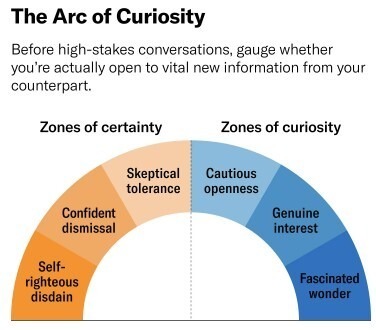
The Ask Approach is a framework from author Jeff Wetzler built on a simple premise: the insights we need most often already exist in the people around us, we just need to ask well. The five-step approach (curiosity, safety, quality questions, listening, reflection) offers practical tools for surfacing honest feedback and building trust, skills directly transferable to relational practice, staff culture, and leadership in schools and in the classroom.
Author/ source: Ask Approach by Jeff Weltzer
Last updated: 13/08/2026
Related Resources

Article
Research Summary
PD Wrap Up
2026 PD Wrap Up: The Perimenopausal Brain at Work
Perimenopause is quietly shaping the lives of many women working in education right now, yet the conversation around it remains largely focused on the physical. The psychological dimension: the cognitive shifts, the identity questions, the relational changes, has largely gone unaddressed. The 2026 term 2 professional learning webinar, "The Perimenopausal Brain at Work" set out to change that. Grounded in neuroscience, positive psychology, and the practical realities of working in schools, the session explored three interconnected areas: what is actually happening in the perimenopausal brain, the relational and 'noisy' changes that flow from it, and what the research tells us about navigating this transition well. Read on for a summary of the key takeaways, opportunities to reflect on your own experiences and practical resources. Author/Source: PESA and Nicole Border and Berni Cooper of Fluxx.

Guidelines
The Scotch College Blueprint for developing a student-led wellbeing conference
This guide synthesises insights shared by Ed McInnes in PESA’s Digital PD, ‘Inspiring Change: Co-Designing a Student-Led Wellbeing Conference in the Middle Years’, providing a scalable model for educators to transition from classroom-based wellbeing theory to a student-led culminating event tailored to their own unique school context. Author: PESA and Ed McInnes, Year 7 Wellbeing Leader
Practice Guide
In Development
30 day Wellbeing Foundations Secondary Students Challenge
We have developed a six-week classroom calendar designed to support student wellbeing through evidence informed, engaging, age-appropriate activities. Each week focuses on a foundational wellbeing topic i.e. healthy habits, emotional literacy, self-worth and hope, character strengths, positive peer relationships, and grit and perseverance. Author/Source: PESA

Webinar/Video
Online PD 2026
Building a shared responsibility for teacher wellbeing
Presented by Justin Robinson: Director and Co-founder of The Wellbeing Distillery. Cultivating a culture where teacher wellbeing thrives through shared care and collective action.

Book
School Belonging: The Importance of Student and Teacher Relationships
A chapter from the Palgrave Handbook of Positive Education. Author/Source: Kelly-Ann Allen, Christopher D. Slaten, Gökmen Arslan, Sue Roffey, Heather Craig & Dianne A. Vella-Brodrick

Webinar/Video
Online PD 2023
Leading self and leading with others: Building a student leadership culture at school
Presented by Andy Skidmore, former CEO of Burn Bright. CEO of The Youth Impact Foundation and PESA Board Member. Andy believes leadership is accessible to everyone - not just those with a badge or appointed in leadership roles. This presentation will explore how we can encourage and build student leadership cultures that allow for all young people to participate in leadership. We will explore the science that sits beneath developing young people as leaders and a model for your school to integrate student leadership in many facets. Ultimately we will explore how a focus on leadership of self and with others can contribute to wellbeing and flourishing for all young people and your school community.
%20(15).png)
Worksheet
Survey
Youth Resilience Doughnut: Score your resilience worksheet
This powerful tool highlights to the student the factors that contribute to their internal resilience. This worksheet is for secondary and tertiary students to self assess and score their resilience. Author/Source: Generously provided by Dr Lyn Worsley of The Resilience Centre

Article
PD Wrap Up
2026 PD Wrap Up: Building a shared responsibility for teacher wellbeing
At PESA, our learning focus for Term 1, 2026 is simple yet impactful: putting people at the centre of everything we do. Reconnecting staff, students, and families is the foundation of a vibrant, inclusive community, and it begins with the understanding that staff wellbeing is the bedrock of a healthy learning environment. We were joined by Justin Robinson, Director and Co-Founder of The Wellbeing Distillery, for an online masterclass on ‘Building a Shared Responsibility for Teacher Wellbeing’, where he shared the Wellbeing Quadrant, a practical framework designed to promote wellbeing and proactively prevent ill-being. Below, we have synthesised the key takeaways and curated resources to support your school’s action planning for staff wellbeing. Author/Source: PESA and Justin Robinson, The Wellbeing Distillery
%20(14).png)
Webinar/Video
Listening to Flourish: Harnessing High-Quality Listening to Build Thriving Organisations
Good listening isn’t just passive attention; it is an active tool that shapes how people think, feel, and connect. Professor Guy Itzchakov’s research shows that high-quality listening, marked by focused attention, accurate understanding, and a non-judgmental intent, facilitates profound introspection, self-disclosure, and social connection. Author/Source: Guy Itzchakov, Associate Professor, University of Haifa for the Michigan Ross Center for Positive Organizations
Article
Research Summary
PD Wrap Up
2026 PD Wrap Up: The Perimenopausal Brain at Work
Perimenopause is quietly shaping the lives of many women working in education right now, yet the conversation around it remains largely focused on the physical. The psychological dimension: the cognitive shifts, the identity questions, the relational changes, has largely gone unaddressed. The 2026 term 2 professional learning webinar, "The Perimenopausal Brain at Work" set out to change that. Grounded in neuroscience, positive psychology, and the practical realities of working in schools, the session explored three interconnected areas: what is actually happening in the perimenopausal brain, the relational and 'noisy' changes that flow from it, and what the research tells us about navigating this transition well. Read on for a summary of the key takeaways, opportunities to reflect on your own experiences and practical resources. Author/Source: PESA and Nicole Border and Berni Cooper of Fluxx.
Access Resource
Guidelines
The Scotch College Blueprint for developing a student-led wellbeing conference
This guide synthesises insights shared by Ed McInnes in PESA’s Digital PD, ‘Inspiring Change: Co-Designing a Student-Led Wellbeing Conference in the Middle Years’, providing a scalable model for educators to transition from classroom-based wellbeing theory to a student-led culminating event tailored to their own unique school context. Author: PESA and Ed McInnes, Year 7 Wellbeing Leader
Access Resource
Practice Guide
In Development
30 day Wellbeing Foundations Secondary Students Challenge
We have developed a six-week classroom calendar designed to support student wellbeing through evidence informed, engaging, age-appropriate activities. Each week focuses on a foundational wellbeing topic i.e. healthy habits, emotional literacy, self-worth and hope, character strengths, positive peer relationships, and grit and perseverance. Author/Source: PESA
Access Resource
Webinar/Video
Online PD 2026
Building a shared responsibility for teacher wellbeing
Presented by Justin Robinson: Director and Co-founder of The Wellbeing Distillery. Cultivating a culture where teacher wellbeing thrives through shared care and collective action.
Access Resource
Book
School Belonging: The Importance of Student and Teacher Relationships
A chapter from the Palgrave Handbook of Positive Education. Author/Source: Kelly-Ann Allen, Christopher D. Slaten, Gökmen Arslan, Sue Roffey, Heather Craig & Dianne A. Vella-Brodrick
Access Resource
Webinar/Video
Online PD 2023
Leading self and leading with others: Building a student leadership culture at school
Presented by Andy Skidmore, former CEO of Burn Bright. CEO of The Youth Impact Foundation and PESA Board Member. Andy believes leadership is accessible to everyone - not just those with a badge or appointed in leadership roles. This presentation will explore how we can encourage and build student leadership cultures that allow for all young people to participate in leadership. We will explore the science that sits beneath developing young people as leaders and a model for your school to integrate student leadership in many facets. Ultimately we will explore how a focus on leadership of self and with others can contribute to wellbeing and flourishing for all young people and your school community.
Access Resource
Worksheet
Survey
Youth Resilience Doughnut: Score your resilience worksheet
This powerful tool highlights to the student the factors that contribute to their internal resilience. This worksheet is for secondary and tertiary students to self assess and score their resilience. Author/Source: Generously provided by Dr Lyn Worsley of The Resilience Centre
Access Resource
Article
PD Wrap Up
2026 PD Wrap Up: Building a shared responsibility for teacher wellbeing
At PESA, our learning focus for Term 1, 2026 is simple yet impactful: putting people at the centre of everything we do. Reconnecting staff, students, and families is the foundation of a vibrant, inclusive community, and it begins with the understanding that staff wellbeing is the bedrock of a healthy learning environment. We were joined by Justin Robinson, Director and Co-Founder of The Wellbeing Distillery, for an online masterclass on ‘Building a Shared Responsibility for Teacher Wellbeing’, where he shared the Wellbeing Quadrant, a practical framework designed to promote wellbeing and proactively prevent ill-being. Below, we have synthesised the key takeaways and curated resources to support your school’s action planning for staff wellbeing. Author/Source: PESA and Justin Robinson, The Wellbeing Distillery
Access Resource
Webinar/Video
Listening to Flourish: Harnessing High-Quality Listening to Build Thriving Organisations
Good listening isn’t just passive attention; it is an active tool that shapes how people think, feel, and connect. Professor Guy Itzchakov’s research shows that high-quality listening, marked by focused attention, accurate understanding, and a non-judgmental intent, facilitates profound introspection, self-disclosure, and social connection. Author/Source: Guy Itzchakov, Associate Professor, University of Haifa for the Michigan Ross Center for Positive Organizations
Access Resource