
.svg)
Five habits that can help kids be resilient (Years 4-6)
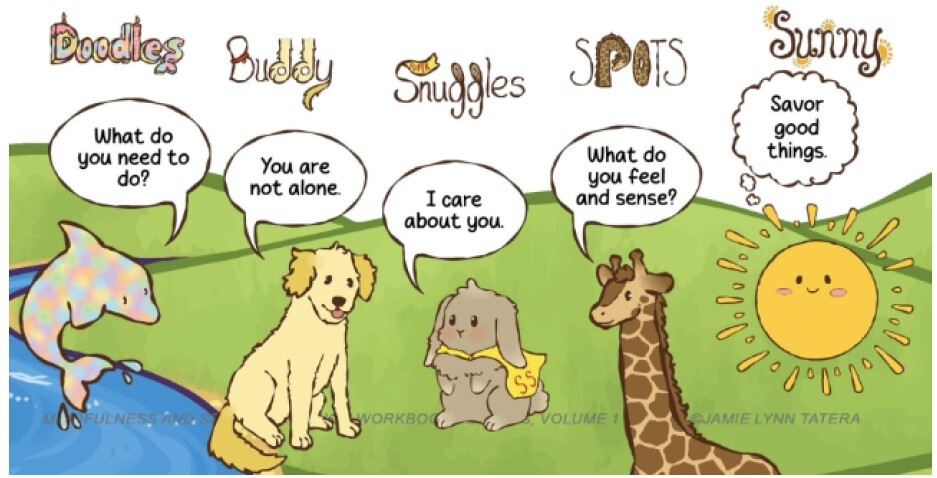
Support children in responding constructively when challenges arise by fostering research-based habits. Learn how to model these positive habits and integrate discussions about resilience into your classroom practice. Encourage students to explore these five habits and discover what works best for them using five resilient animals.
Author/ source: PESA, Five habits to help kids be resilient (Greater Good Center)
Last updated: 01/08/2025

Related Resources

Worksheet
Character Strengths Activity (Years 7-10)
This lesson plan introduces students to the VIA Character Strengths framework and supports them to recognise their own strengths, understand how these strengths show up in everyday life, and learn how to apply them in goal-setting, teamwork and personal development. It draws on positive psychology principles and is mapped to the Australian Curriculum. Author/ source: PESA

Website
Survey
VIA Institute on Character
The VIA Institute on Character helps people change their lives by tapping into the power of their own greatest strengths. Established as non-profit organization in 2001, they set out – and continue to – advance both the science and practice of character, and empower those on their strengths-building journey. Author/ source: VIA Institute on Character
%20(15).png)
Worksheet
Survey
Youth Resilience Doughnut: Score your resilience worksheet
This powerful tool highlights to the student the factors that contribute to their internal resilience. This worksheet is for secondary and tertiary students to self assess and score their resilience. Author/Source: Generously provided by Dr Lyn Worsley of The Resilience Centre
%20(11).png)
Display
VIA Character Strength Posters
Downloadable and printable 24 VIA Character Strength posters to be displayed in classrooms, schools, staff rooms and more! Format: A4 landscape Author/Source: PESA

Webinar/Video
In Development
Breaking through difficulties through the understanding the nuances of strengths use
Dr Ryan Niemiec explores the overuse, underuse, and optimal use of character strengths introducing the concept of ‘finding the golden mean’. We know using our strengths can assist our wellbeing and research is continuing into how overuse can create new problems, while underuse might prevent someone from fully overcoming difficulties. The concept of strengths "imbalance" encourages a balanced approach to personal growth and problem-solving.
Worksheet
Character Strengths Activity (Years 7-10)
This lesson plan introduces students to the VIA Character Strengths framework and supports them to recognise their own strengths, understand how these strengths show up in everyday life, and learn how to apply them in goal-setting, teamwork and personal development. It draws on positive psychology principles and is mapped to the Australian Curriculum. Author/ source: PESA
Access Resource
Website
Survey
VIA Institute on Character
The VIA Institute on Character helps people change their lives by tapping into the power of their own greatest strengths. Established as non-profit organization in 2001, they set out – and continue to – advance both the science and practice of character, and empower those on their strengths-building journey. Author/ source: VIA Institute on Character
Access Resource
Worksheet
Survey
Youth Resilience Doughnut: Score your resilience worksheet
This powerful tool highlights to the student the factors that contribute to their internal resilience. This worksheet is for secondary and tertiary students to self assess and score their resilience. Author/Source: Generously provided by Dr Lyn Worsley of The Resilience Centre
Access Resource
Display
VIA Character Strength Posters
Downloadable and printable 24 VIA Character Strength posters to be displayed in classrooms, schools, staff rooms and more! Format: A4 landscape Author/Source: PESA
Access Resource
Webinar/Video
In Development
Breaking through difficulties through the understanding the nuances of strengths use
Dr Ryan Niemiec explores the overuse, underuse, and optimal use of character strengths introducing the concept of ‘finding the golden mean’. We know using our strengths can assist our wellbeing and research is continuing into how overuse can create new problems, while underuse might prevent someone from fully overcoming difficulties. The concept of strengths "imbalance" encourages a balanced approach to personal growth and problem-solving.
Access Resource