
.svg)
Nurturing Gratitude From the Inside Out: 30 Activities for Grades K-8
Thirty research-informed, classroom-ready gratitude activities for K–8, mapped to SEL competencies and built around noticing intention, effort and benefit in everyday acts of kindness.
Author/Source: By Susan Fountain With Linda Lantieri, Melody Baker, and Caroline Zayas King, Greater Good Science Center at UC Berkeley
Last updated: 01/01/2017
Related Resources

Worksheet
Character Strengths Activity (Years 7-10)
This lesson plan introduces students to the VIA Character Strengths framework and supports them to recognise their own strengths, understand how these strengths show up in everyday life, and learn how to apply them in goal-setting, teamwork and personal development. It draws on positive psychology principles and is mapped to the Australian Curriculum. Author/ source: PESA
Guidelines
The Scotch College Blueprint for developing a student-led wellbeing conference
This guide synthesises insights shared by Ed McInnes in PESA’s Digital PD, ‘Inspiring Change: Co-Designing a Student-Led Wellbeing Conference in the Middle Years’, providing a scalable model for educators to transition from classroom-based wellbeing theory to a student-led culminating event tailored to their own unique school context. Author: PESA and Ed McInnes, Year 7 Wellbeing Leader
Research Summary
Wellbeing Literacy: A Capability Model for Wellbeing Science and Practice
Wellbeing literacy is defined as the capability to understand and use language about and for wellbeing, intentionally applying it to maintain or improve the wellbeing of oneself, others, or the wider world. Drawing on the idea that language helps shape our experiences and realities, this capability gives individuals the freedom and choice to define and pursue what wellbeing means to them through communication and knowledge. Author/ source: PESA
Article
In Development
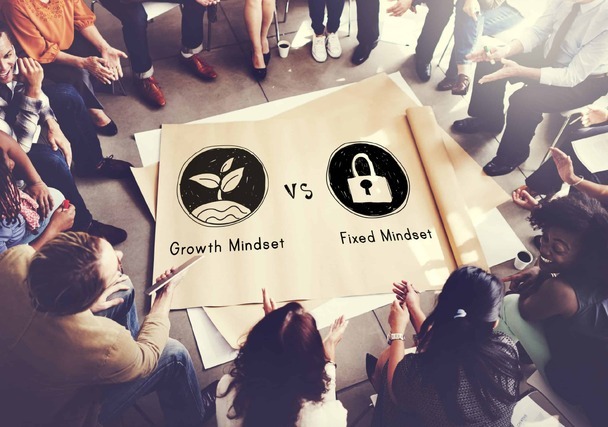
NSW Chapter Event Summary: Growth mindset to build potential at Ravenswood
On Monday 16th of September, educators from across NSW gathered for an engaging afternoon of professional learning and networking, facilitated by the PESA NSW Chapter Committee. The topic was Growth Mindset, and the presenter was the exceptional Dr Justin Coulson. Author/Source: Lisa Davias, PESA CEO
Podcast
Fostering Motivation and Wellbeing in Education
Talking Teaching podcast. Author/Source: Dr Rachel Colla and Lara Mossman, University of Melbourne
Research Summary
New PISA data shows the importance of positive classrooms for mathematics achievement
The Programme for International Student Assessment (PISA) is an international comparative study of student performance directed by the OECD. PISA measures the cumulative outcomes of education by assessing how well 15-year-olds are prepared to use their knowledge and skills in particular areas to meet real-world opportunities and challenges. ACER has recently released Volume II of their reports on the 2022 data, which examines Australia’s results in both mathematics and other experiences at school. Author/ source: Tania Linnertson
Webinar/Video
Online PD 2024
A Positive Education Approach to implementing the Australian Curriculum (v9)
Presented by Brooke Davis, Deputy Principal, Teaching and Learning, Melissa Chamberlain, Head of Positive Education and Matt Smith, Deputy Principal, Positive Education of Centenary State High School, Jindalee, QLD. Centenary State High School (CSHS) share the significant work they have undertaken to align the principles of positive education with the Australian Curriculum (Year 7-10). Positive education imperatives underpin their new whole-school Wellbeing Framework and is the vehicle for staff professional learning and student achievement. Their customised General Capabilities Toolkit provides teachers with a range of resources that assists teachers to build their unit plans and ensure that the General Capabilities are being taught with fidelity in the classroom, ensuring the symbiosis of learning and wellbeing in every classroom at CSHS.

Research Summary
In Development
Finding Consensus on Wellbeing in Education -Towards a Flourishing Focused Orientation of the Purpose of Education.
Amid efforts to address the mental health crisis in schools and shift education towards a focus on flourishing, a team of international educational researchers have laid the groundwork in this paper. The team had three aims in coming together: (1) to identify compatible aspects of wellbeing approaches; (2) to define consensus on how ethically important aspects of wellbeing are related to key aspects of educational environments and practice, and to students’ educational progress; and (3) provide general guidance on ways to protect, promote, and advance student wellbeing. Author/Source: Jessica Taylor

Webinar/Video
Online PD 2023
Making Strengths Count
Presented by Matt Smith, Centenary State High School. Everyone has strengths! Yet at school and in life we benignly forget that we all have character strengths that can be leveraged for more happiness and success. This presentation will explore and champion the different ways that a character strengths approach can be used in schools with all key stakeholders: staff, students and parents.
Worksheet
Character Strengths Activity (Years 7-10)
This lesson plan introduces students to the VIA Character Strengths framework and supports them to recognise their own strengths, understand how these strengths show up in everyday life, and learn how to apply them in goal-setting, teamwork and personal development. It draws on positive psychology principles and is mapped to the Australian Curriculum. Author/ source: PESA
Access Resource
Guidelines
The Scotch College Blueprint for developing a student-led wellbeing conference
This guide synthesises insights shared by Ed McInnes in PESA’s Digital PD, ‘Inspiring Change: Co-Designing a Student-Led Wellbeing Conference in the Middle Years’, providing a scalable model for educators to transition from classroom-based wellbeing theory to a student-led culminating event tailored to their own unique school context. Author: PESA and Ed McInnes, Year 7 Wellbeing Leader
Access Resource
Research Summary
Wellbeing Literacy: A Capability Model for Wellbeing Science and Practice
Wellbeing literacy is defined as the capability to understand and use language about and for wellbeing, intentionally applying it to maintain or improve the wellbeing of oneself, others, or the wider world. Drawing on the idea that language helps shape our experiences and realities, this capability gives individuals the freedom and choice to define and pursue what wellbeing means to them through communication and knowledge. Author/ source: PESA
Access Resource
Article
In Development
NSW Chapter Event Summary: Growth mindset to build potential at Ravenswood
On Monday 16th of September, educators from across NSW gathered for an engaging afternoon of professional learning and networking, facilitated by the PESA NSW Chapter Committee. The topic was Growth Mindset, and the presenter was the exceptional Dr Justin Coulson. Author/Source: Lisa Davias, PESA CEO
Access Resource
Podcast
Fostering Motivation and Wellbeing in Education
Talking Teaching podcast. Author/Source: Dr Rachel Colla and Lara Mossman, University of Melbourne
Access Resource
Research Summary
New PISA data shows the importance of positive classrooms for mathematics achievement
The Programme for International Student Assessment (PISA) is an international comparative study of student performance directed by the OECD. PISA measures the cumulative outcomes of education by assessing how well 15-year-olds are prepared to use their knowledge and skills in particular areas to meet real-world opportunities and challenges. ACER has recently released Volume II of their reports on the 2022 data, which examines Australia’s results in both mathematics and other experiences at school. Author/ source: Tania Linnertson
Access Resource
Webinar/Video
Online PD 2024
A Positive Education Approach to implementing the Australian Curriculum (v9)
Presented by Brooke Davis, Deputy Principal, Teaching and Learning, Melissa Chamberlain, Head of Positive Education and Matt Smith, Deputy Principal, Positive Education of Centenary State High School, Jindalee, QLD. Centenary State High School (CSHS) share the significant work they have undertaken to align the principles of positive education with the Australian Curriculum (Year 7-10). Positive education imperatives underpin their new whole-school Wellbeing Framework and is the vehicle for staff professional learning and student achievement. Their customised General Capabilities Toolkit provides teachers with a range of resources that assists teachers to build their unit plans and ensure that the General Capabilities are being taught with fidelity in the classroom, ensuring the symbiosis of learning and wellbeing in every classroom at CSHS.
Access Resource
Research Summary
In Development
Finding Consensus on Wellbeing in Education -Towards a Flourishing Focused Orientation of the Purpose of Education.
Amid efforts to address the mental health crisis in schools and shift education towards a focus on flourishing, a team of international educational researchers have laid the groundwork in this paper. The team had three aims in coming together: (1) to identify compatible aspects of wellbeing approaches; (2) to define consensus on how ethically important aspects of wellbeing are related to key aspects of educational environments and practice, and to students’ educational progress; and (3) provide general guidance on ways to protect, promote, and advance student wellbeing. Author/Source: Jessica Taylor
Access Resource
Webinar/Video
Online PD 2023
Making Strengths Count
Presented by Matt Smith, Centenary State High School. Everyone has strengths! Yet at school and in life we benignly forget that we all have character strengths that can be leveraged for more happiness and success. This presentation will explore and champion the different ways that a character strengths approach can be used in schools with all key stakeholders: staff, students and parents.
Access Resource