
.svg)
Communicating with Today's Parents: McCrindle Research and RoundTable
What do parents expect from schools when it comes to communication? PESA attended a round table to discuss the results of the research paper: "Communicating with Today's Parents" where 1000 parents were surveyed in February 2026.
Author: Research by McCrindle. Article by PESA
Last updated: 12/08/2026

Traditional, long-form updates no longer meet the expectations of today’s busy families. Females aged 30-34 are 2x more likely (77%) to be working today than they were in 1971 (38%). Just as workplaces have shifted from annual reviews to frequent informal feedback, parents now expect ongoing, two-way, personalised communication about their child.
McCrindle Research surveyed 1,000 Australian school parents in 2026 across Government, Catholic and Independant schools in both metropolitan and regional areas.
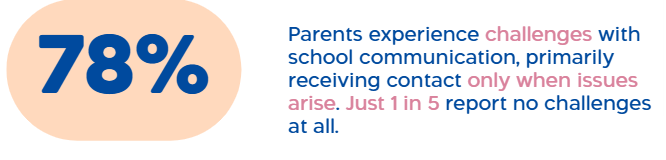
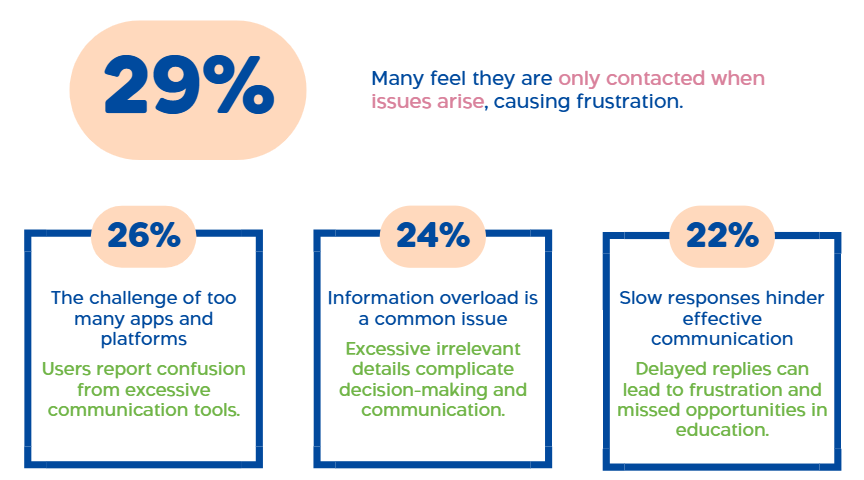
Top Communication Frustrations
Understanding these challenges is crucial for improving parent-school relationships and enhancing overall student engagement and success.
What Parents Want To Hear About
Parents value social-emotional updates just as highly as academic results (55% each) - schools that still lead purely with grades are under-serving half the picture.
The biggest gap between priority and performance is social and emotional wellbeing (a 7-point gap between how much parents want it and how well schools deliver it), followed by safety, academic progress, and guidance on supporting learning at home.
“Today’s families value updates that focus on the whole child”
Age matters
Primary school parents want frequent, personalised, daily snapshots (echoing the high-touch communication style of early childhood settings).
Secondary school parents shift focus toward attendance, punctuality, and academic milestones.
How Parents Want To Hear It
Different channels suit different messages, there's no single "best" platform:-
Email: the preferred channel for teacher communication (50%)
-
School app: best for general updates (41%)
-
Text/SMS: for urgent, time-sensitive alerts (41%)
-
In-person meetings: still valued by 41%, especially for milestone conversations
-
Printed letters (27%) and digital newsletters (30%) are the least preferred: legacy channels losing relevance
Response-time expectations are tight
-
Two-thirds of parents expect a reply to a non-urgent email within 24 hours
-
90% expect one within 48 hours.
Round table insight
Fewer, better-curated messages beat more channels. Ask of every message: Do we really need to send this? Is this the right medium? Is it clear what we need from the parent?
Building Belonging and Partnership
97% of parents are interested in attending school events, but interest doesn't automatically convert to attendance and attendance itself doesn't guarantee belonging. What drives event engagement:
-
Personal connection to their own child is the strongest motivator: watching their child perform (58%) or getting a private update on progress (49%)
-
Community connection matters too: feeling part of the community (39%), building relationships with staff (41%) or other parents (37%)
Belonging runs deeper than parent's attendance at events
Non-government school parents consistently report stronger feelings of belonging and partnership than government school parents (e.g. 78% vs 62% feel they belong to the school community). The common threads across high-trust schools:
-
Being known: children seen as individuals, not numbers (51% say this is core to belonging; harder to sustain at scale in larger schools)
-
Two-way dialogue: clear avenues for feedback (48%), not just one-directional broadcasting
-
Approachability of staff, and being treated as a partner, not a customer
Round table insight
Attendance is not the same as belonging. A parent can attend every event and still not feel they belong and vice versa. Structured, informal opportunities to connect (not just transactional information sessions) matter more than event volume. Measuring only satisfaction also risks reinforcing a consumer mindset (parents as customers) rather than a partnership mindset (parents as co-contributors). Ongoing, proactive communication, not just contact when there's a problem, is what builds the trust that reduces defensiveness on both sides.
Related Resources
2026 PD Wrap Up: Connection IS The Content: A Pathway to Wellbeing
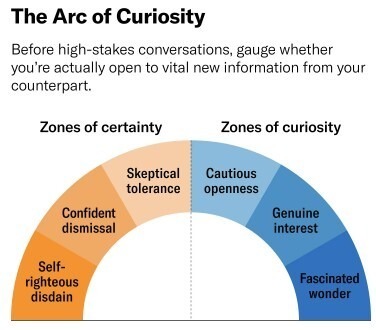
Curiosity Check and the Ask Approach
Communicating with Today's Parents: McCrindle Research and RoundTable

Connection IS The Content: A Pathway to Wellbeing

2026 PD Wrap Up: The Space Between Knowing and Doing

The Space Between Knowing and Doing

A Whole School Approach to Restorative Practices
2026 PD Wrap Up: A Whole School Approach to Restorative Practices
.png)
Creating a Wellbeing Environment: Positive Leadership Practices
2026 PD Wrap Up: Connection IS The Content: A Pathway to Wellbeing
Curiosity Check and the Ask Approach
Communicating with Today's Parents: McCrindle Research and RoundTable
Connection IS The Content: A Pathway to Wellbeing
2026 PD Wrap Up: The Space Between Knowing and Doing
The Space Between Knowing and Doing
A Whole School Approach to Restorative Practices
2026 PD Wrap Up: A Whole School Approach to Restorative Practices